01Project Galvan
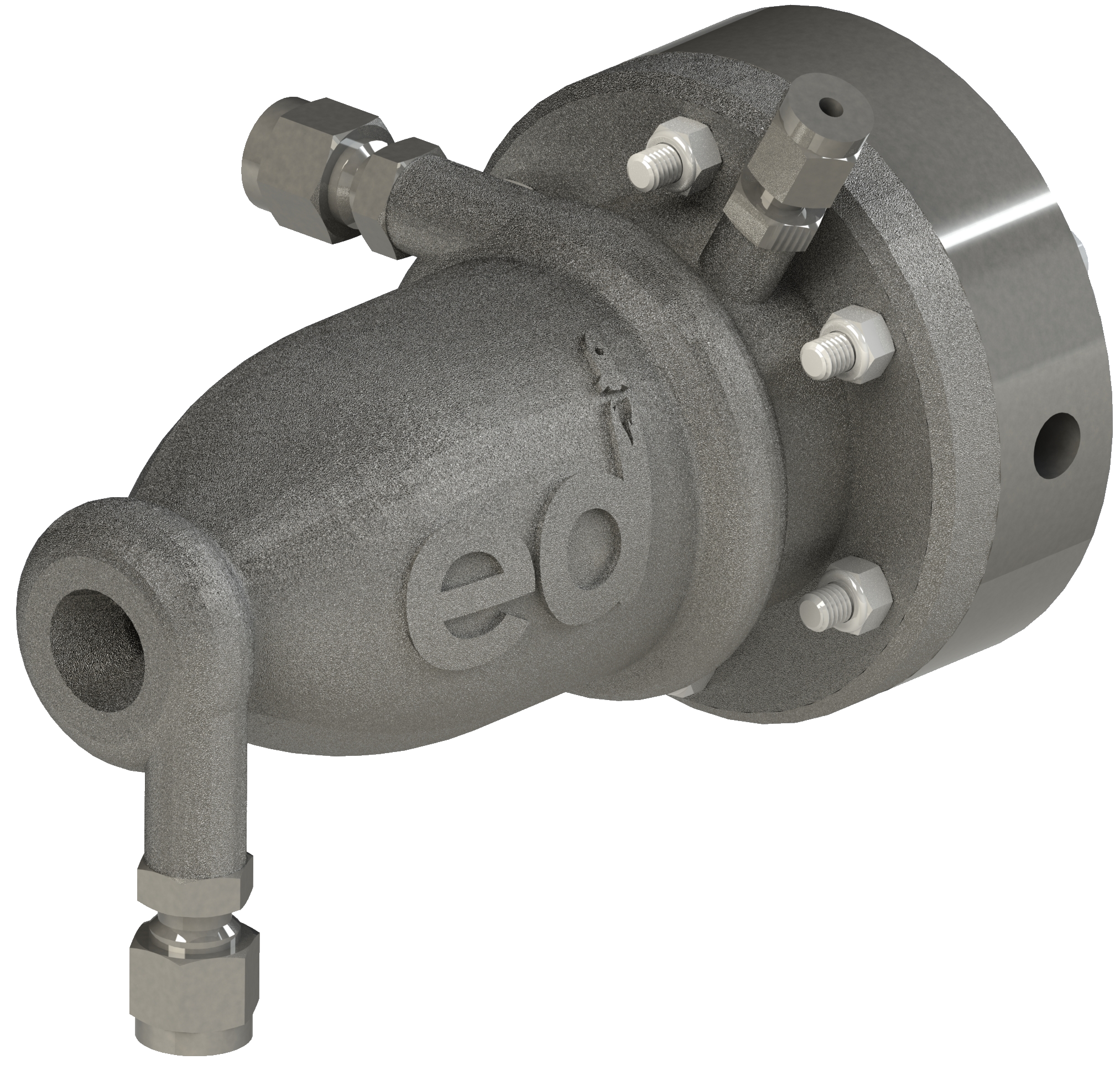
Sounding Rocket
Endeavour’s first competition-scale SRAD liquid rocket.
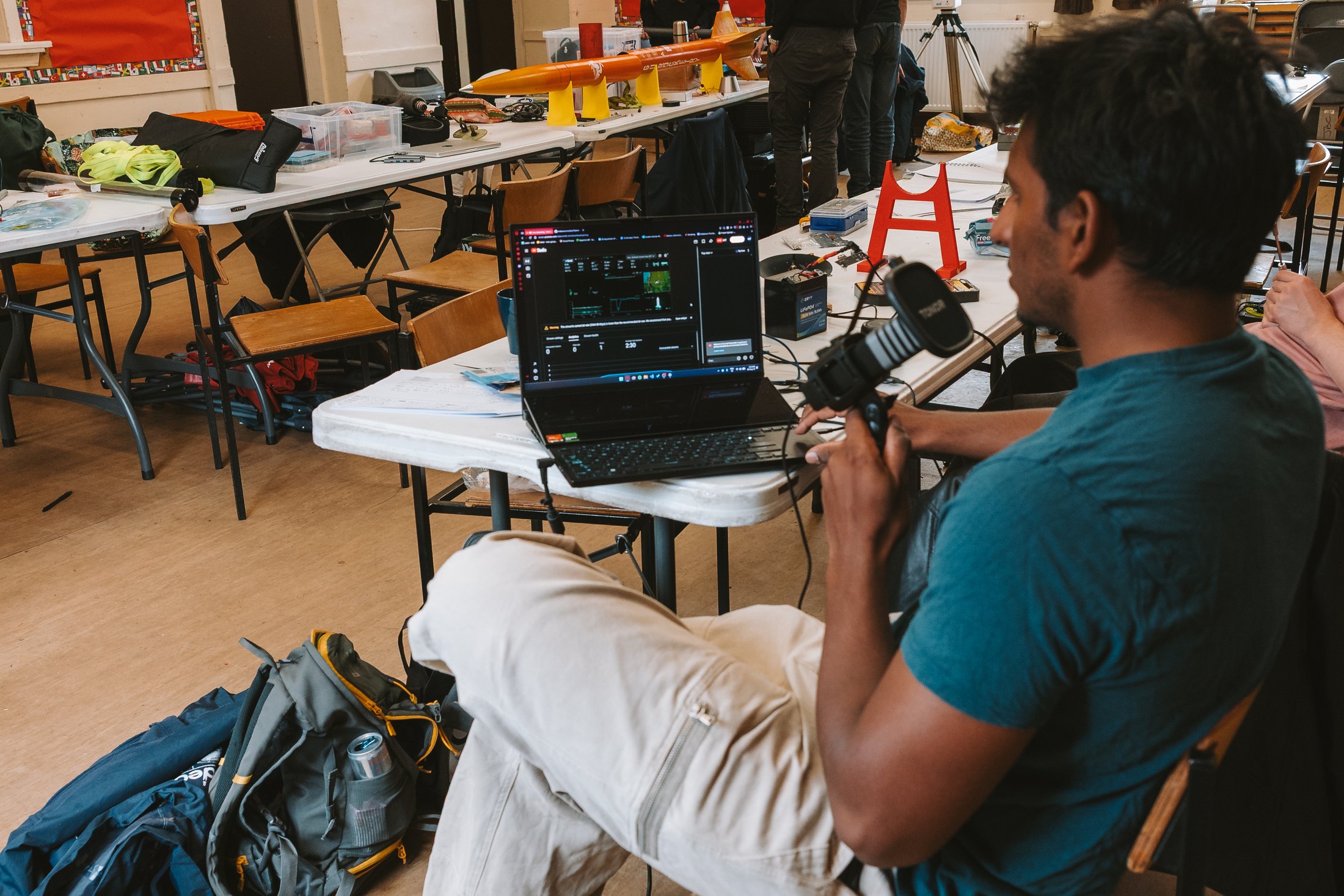
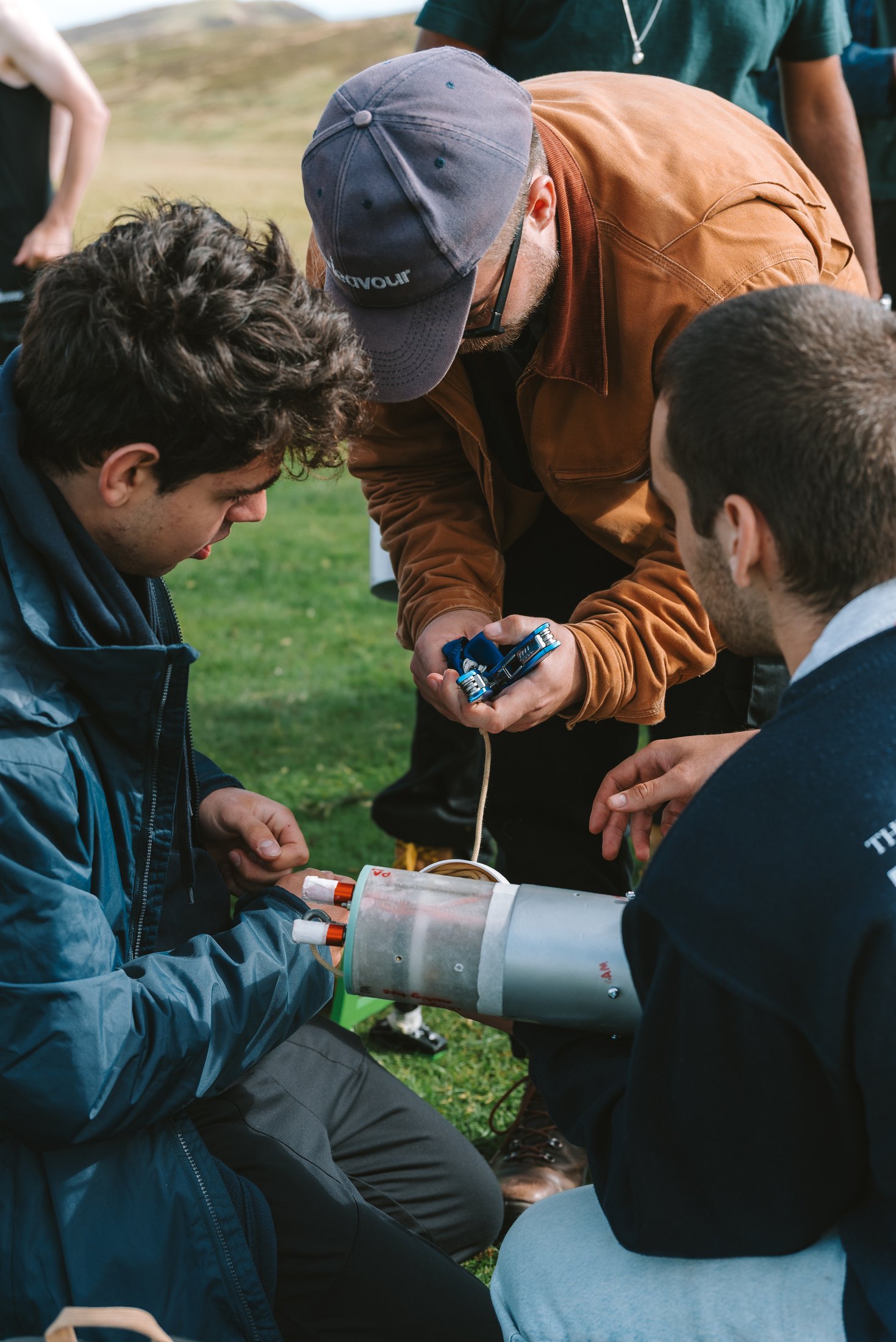
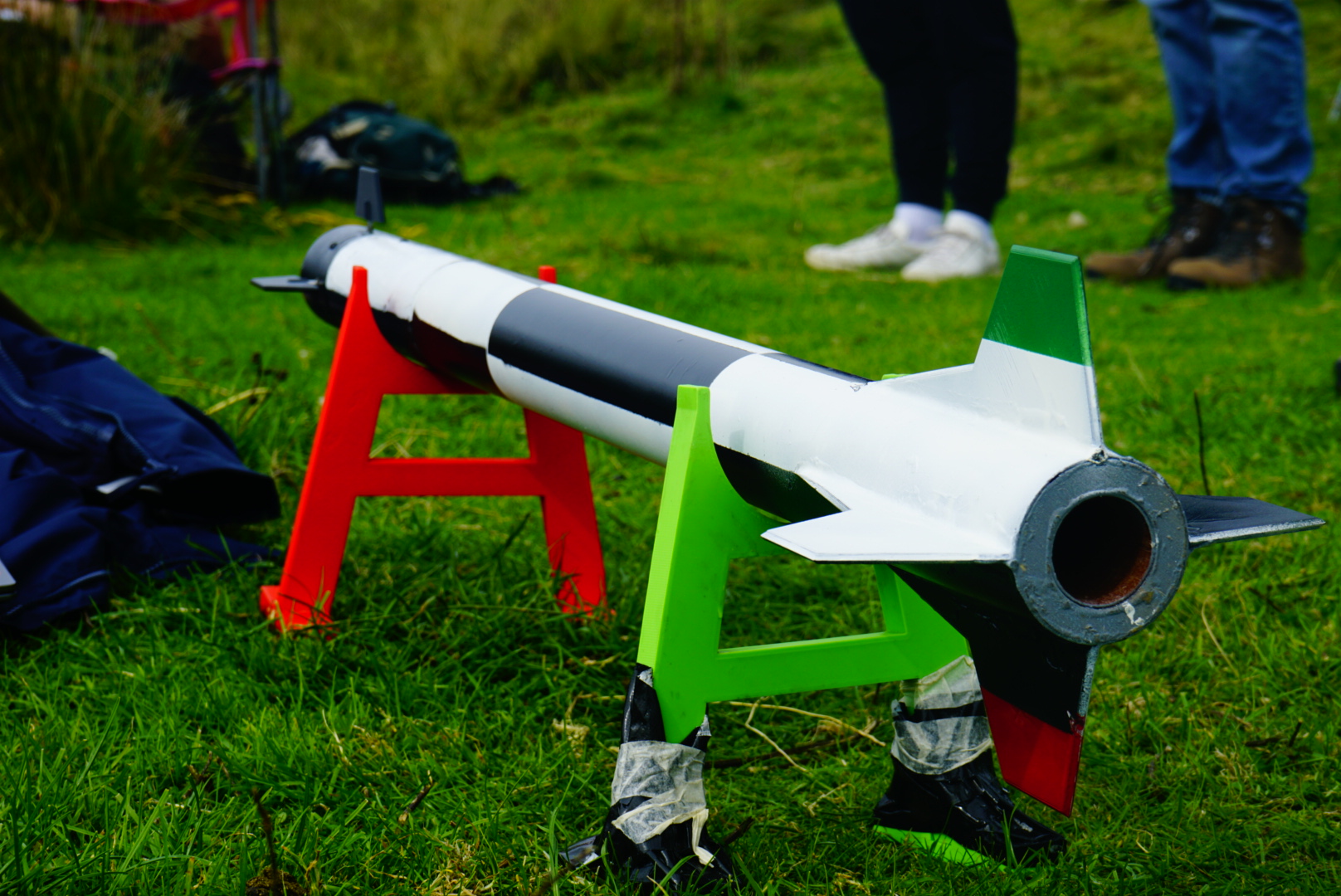
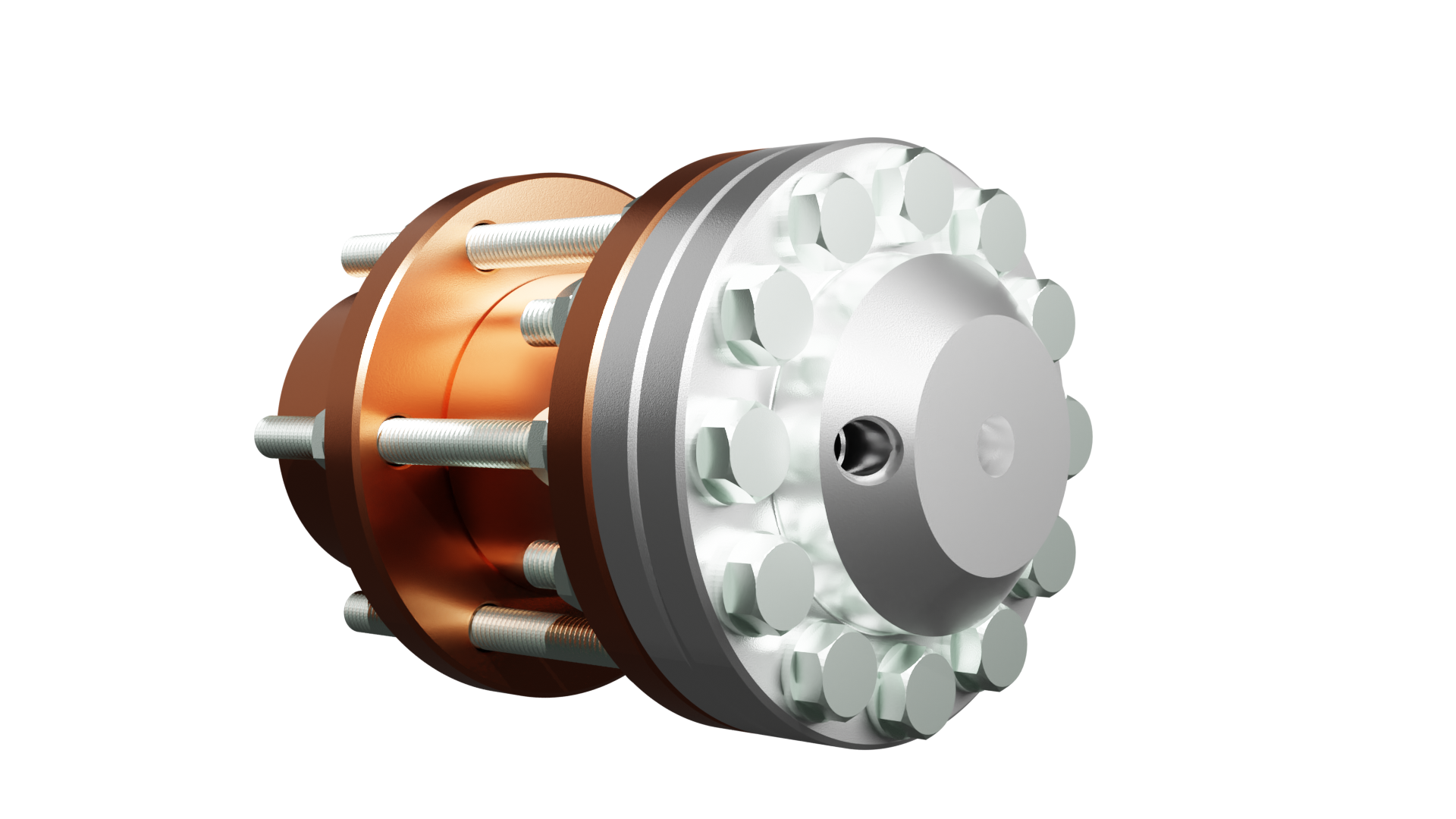
A unified vehicle programme bringing aero-propulsion, recovery, avionics, software and payload together for the 30,000 ft liquid category at IREC 2027.
endeavour rocketsJOIN THE MISSION ↗PROJECT ARCHIVE
A record of Endeavour’s evolving vehicles, engines, aircraft, test systems and research programmes.
2026—27
01Project Galvan
Endeavour’s first competition-scale SRAD liquid rocket.
A unified vehicle programme bringing aero-propulsion, recovery, avionics, software and payload together for the 30,000 ft liquid category at IREC 2027.

02Project Aetherial
Endeavour’s payload team, from atmospheric instruments to compact spacecraft.
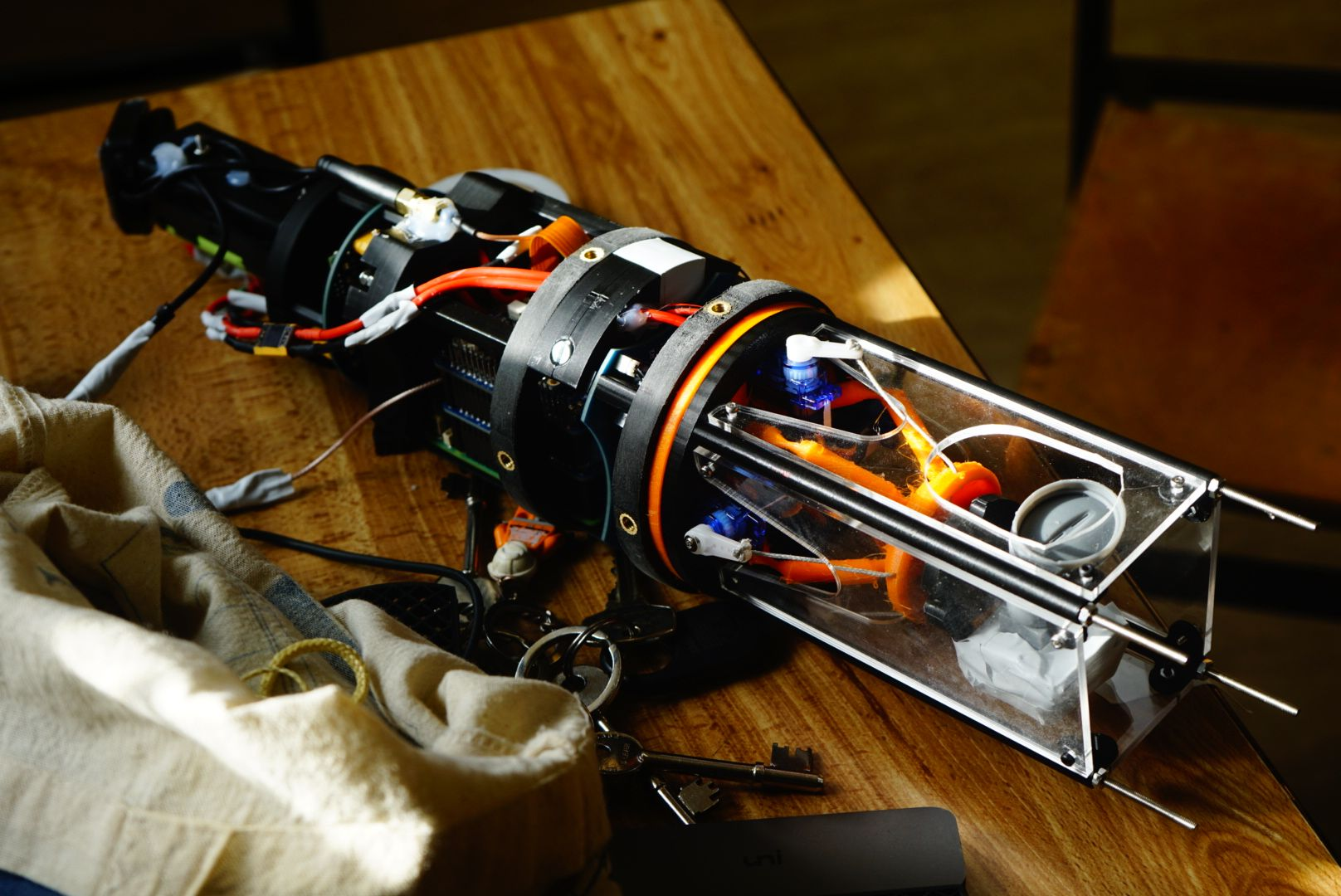
The team unites flight science and spacecraft development through experiments, the iSpex-derived spectropolarimeter and a modular PocketQube platform for remote sensing and future flight heritage.
03Advanced concepts
One team for Endeavour’s most experimental technologies.
Dynamis, B-Star, XENITH and Fingal now sit within R&D, covering throttleable propulsion, active control, electric propulsion and landing demonstrators.
04Education
Hands-on rocketry for schools and communities.
Workshops, UKROC mentoring and public activities delivered with technical-team support to make aerospace accessible to every age group.
2025–26

01Competition rocketry
Launch 4 Change winner with a supersonic climate-science mission.
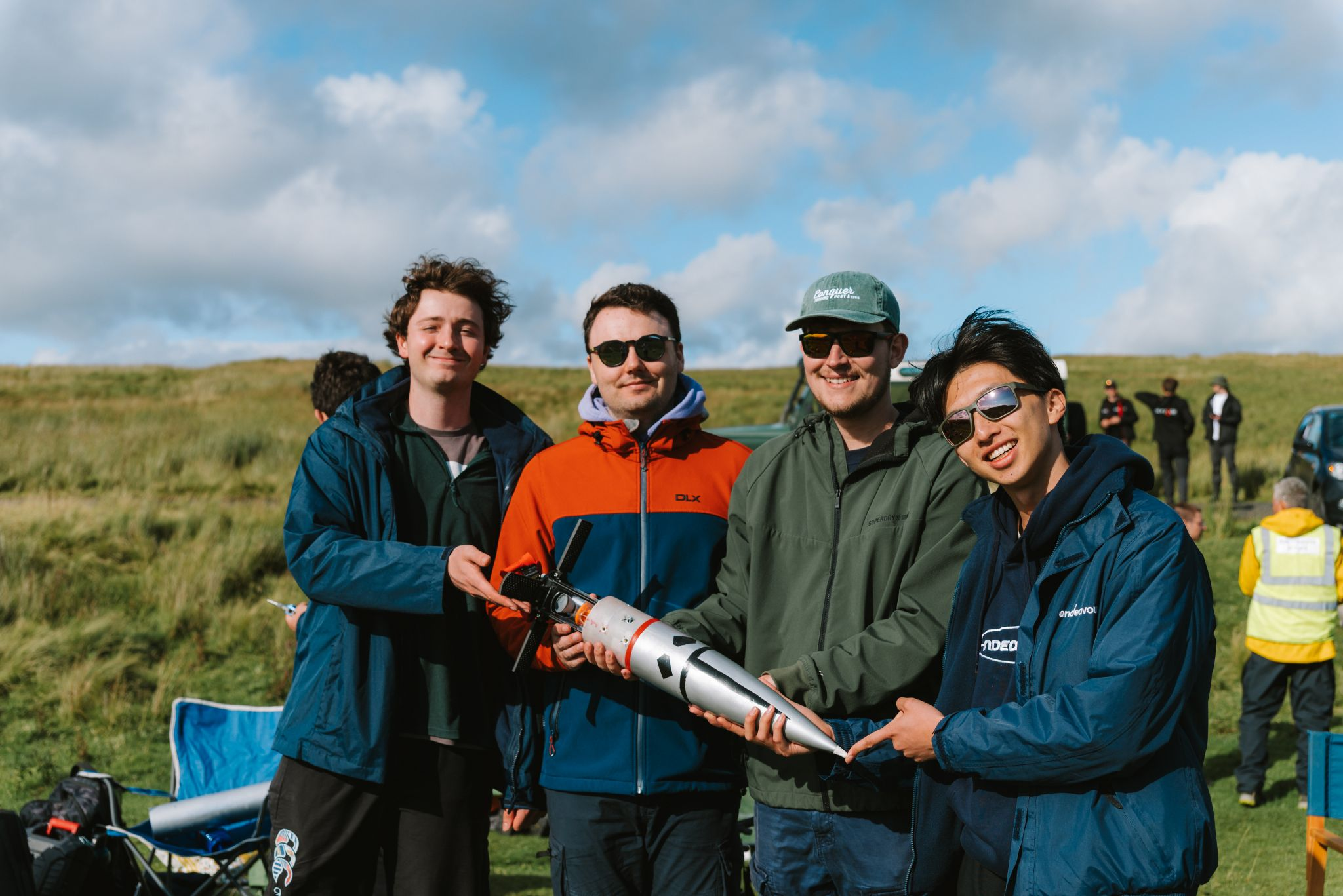
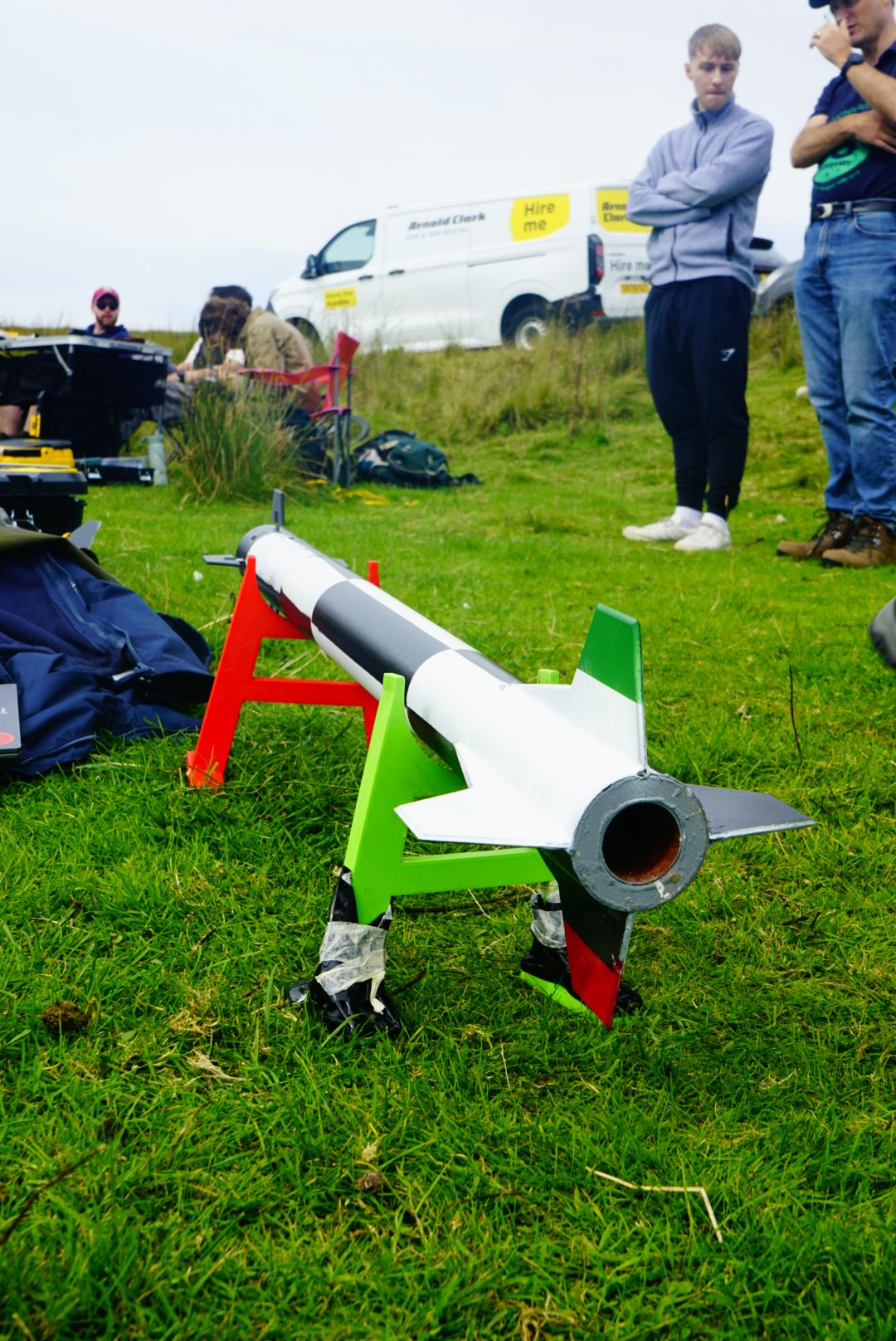
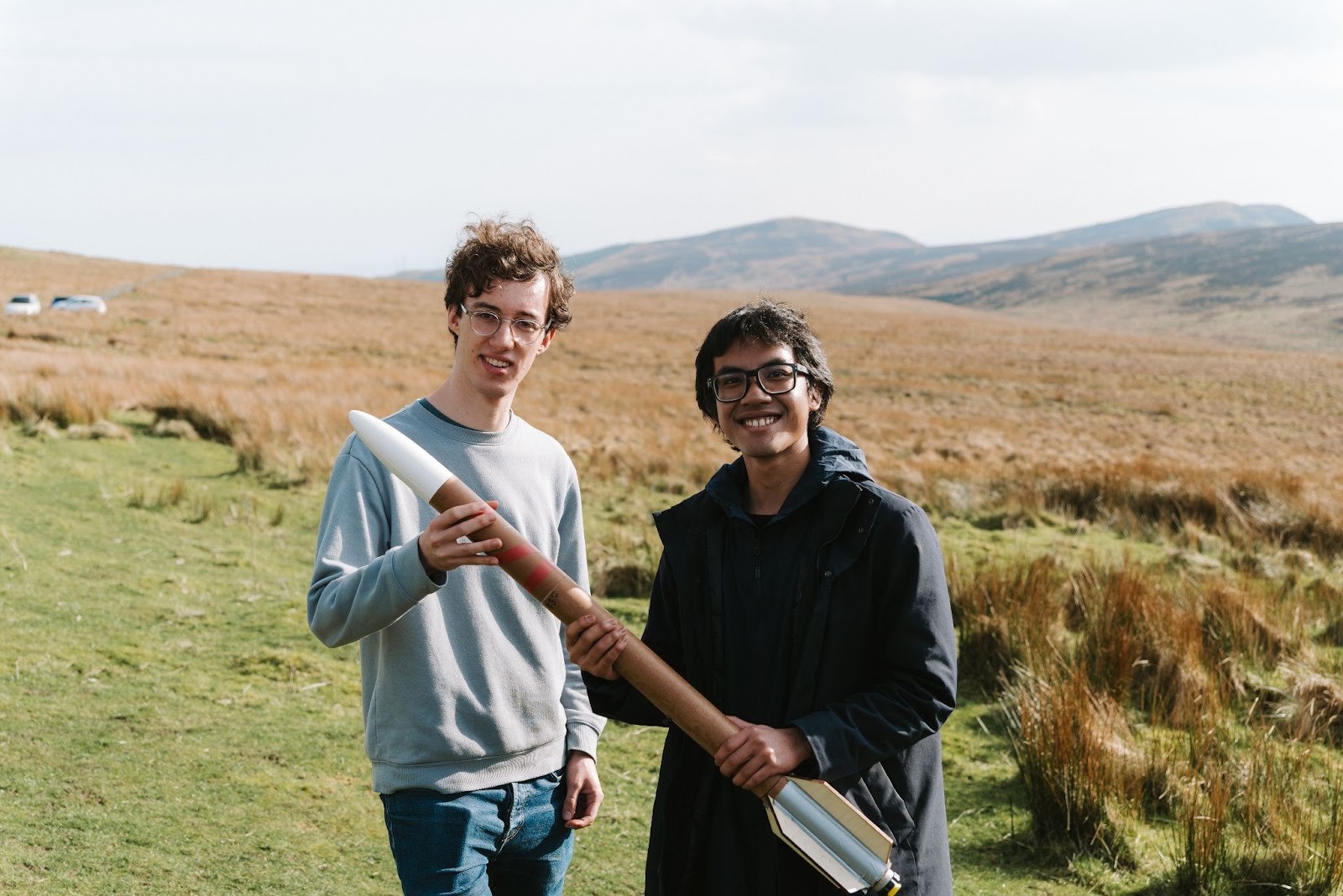
Shredder reached 4.2 km and Mach 1.16 on an L1115 motor, streamed live telemetry and video, and returned the launch vehicle in perfect condition. Its independently deployed spectropolarimeter payload measured the optical properties needed to build vertical aerosol profiles.
02Liquid propulsion · TVC
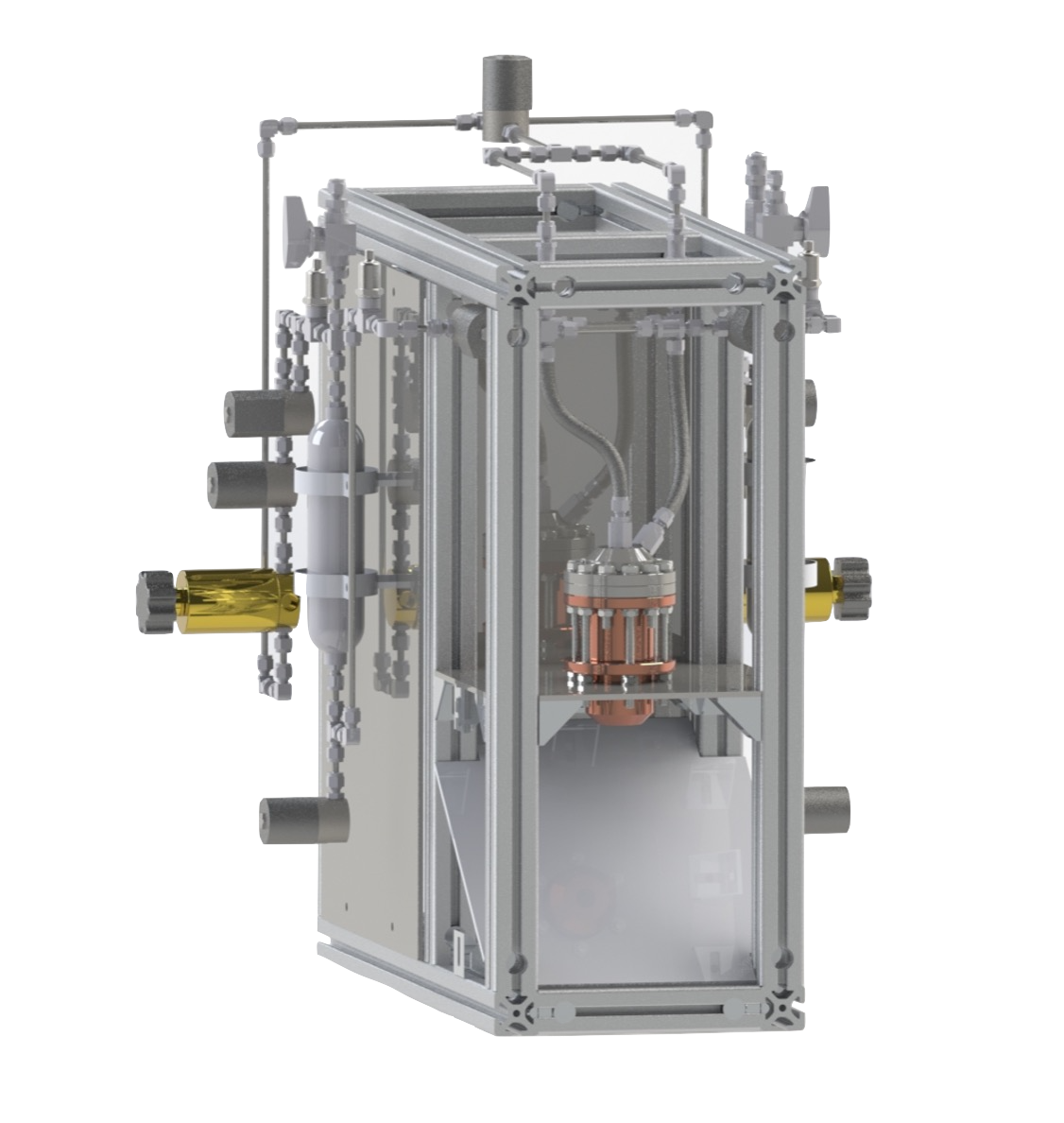
Gizmo engine development paired with the Widget thrust-vector-control platform.
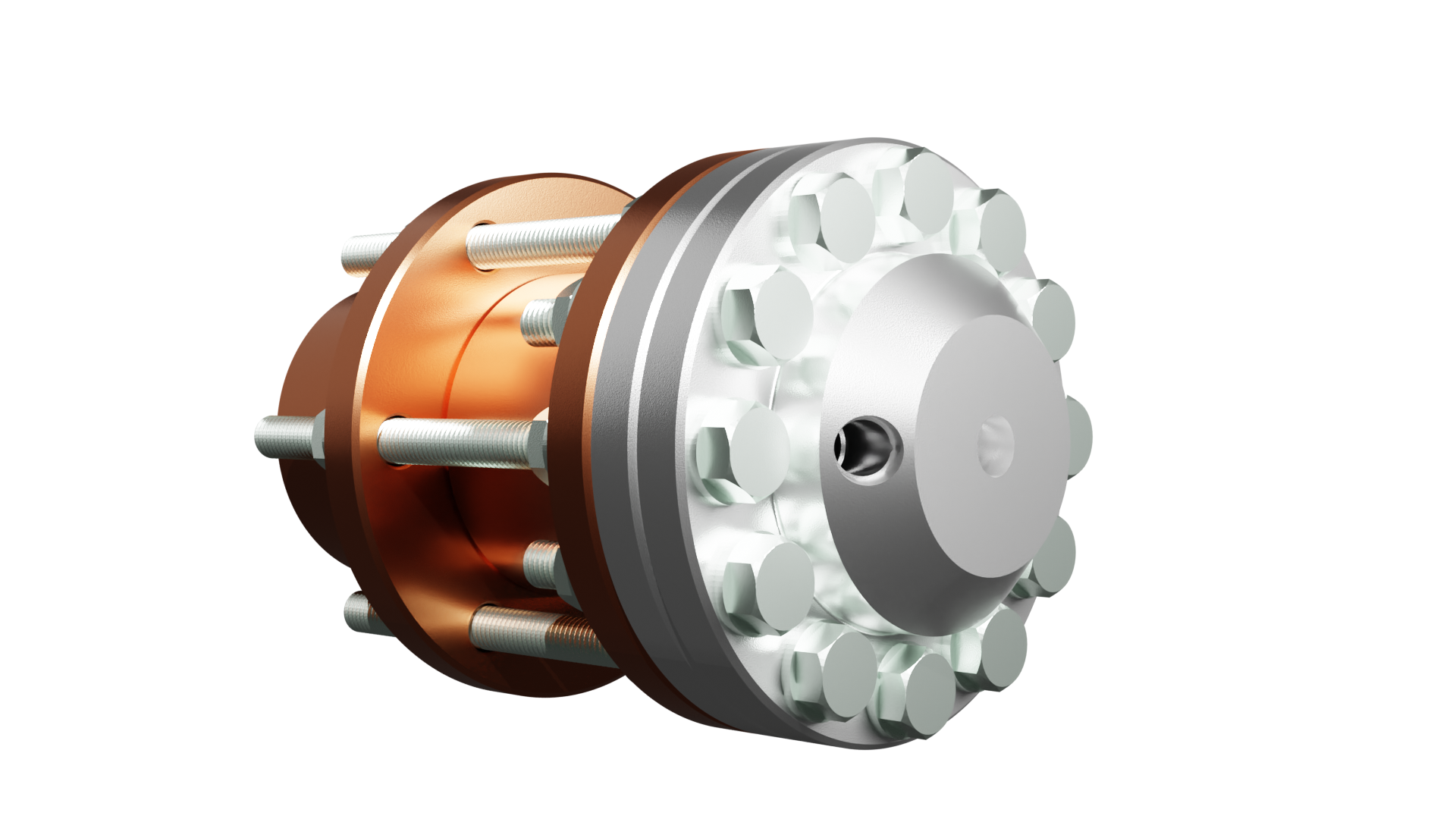
The team developed a 2 kN regeneratively cooled engine and a gimballed thrust plate, supported by design reviews, purchasing records and regular technical meetings.
03Flight propulsion
A flight-ready liquid propulsion stack and the Cerberus multi-chamber engine.
Pegasus worked on tanks, feed systems, ignition, ablative chambers and a three-chamber Race 2 Space engine concept targeting roughly 6 kN total thrust.
04Ground systems
A staged liquid-engine test stand and operations programme.
Selidor integrated structure, fluid panels, purge, control, wiring and data acquisition to create Endeavour’s pathway toward independent hotfire testing.
05Active control
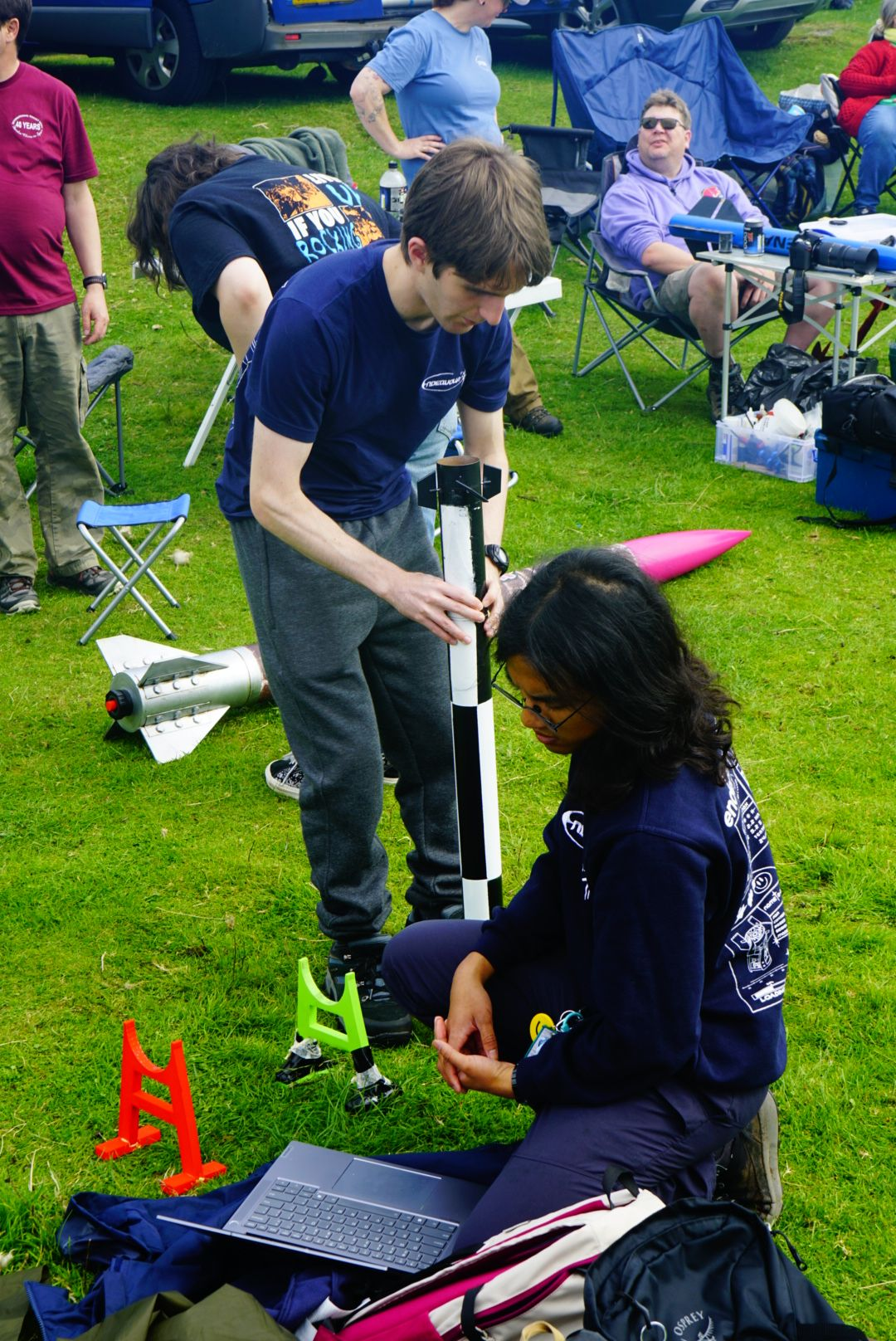
Repeatable training rockets for avionics, simulation and active-stabilisation work.
A-StaR succeeded Bayes with small launch vehicles, flight computers, PID canards, grid fins and a stronger emphasis on regular testing and member training.
2019–25
01Competition rocketry
ADA-II and the ASIMOV test programme developed recovery, avionics, structures and payloads.
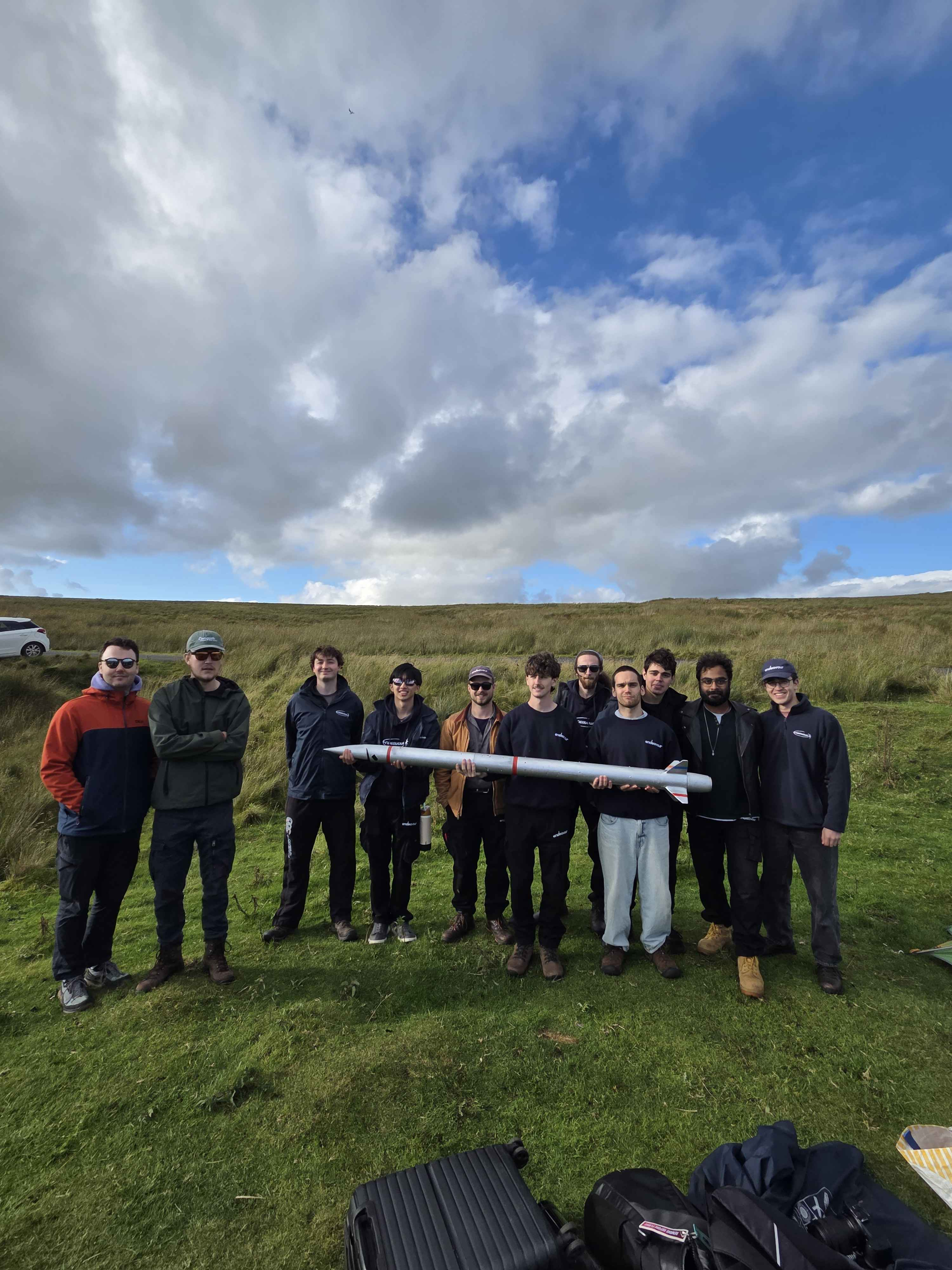
Darwin’s approximately 30 members used smaller rockets to test systems before integrating a 3 km competition mission with dual deployment and a deployable rover payload.
02Liquid propulsion
The society’s bipropellant engine team and predecessor to later propulsion programmes.
After WeeMaxwell achieved a 26-second hotfire, Maxwell pursued a 2.5 kN nitrous oxide and isopropyl alcohol engine, piston tanks and an integrated test system.
03Uncrewed aircraft
A fixed-wing autonomous aircraft for the IMechE UAS Challenge.
A 36-member multidisciplinary team developed a payload-focused aircraft with avionics, simulations, ground systems and a formal concept-to-flight review process.
04Active control
Endeavour’s early active-flight-control and onboard data programme.
Bayes flew a datalogger on Starscout to roughly 750 m, recovering orientation and altitude data while exploring actively controlled test vehicles.